How to Stop Condensation Stains Returning on Cold Walls
22 July 2026 Joe HartleyIntermediate1–2 weekends (plus drying time)7 comments
Tools
- Hygrometer (optional but useful)
- Soft cloths and bucket
- Mould wash or dilute suitable cleaner (follow label)
- Gloves and eye protection
- Stain-blocking or anti-mould primer
- Emulsion suitable for the room
- Small heater or dehumidifier (as needed)
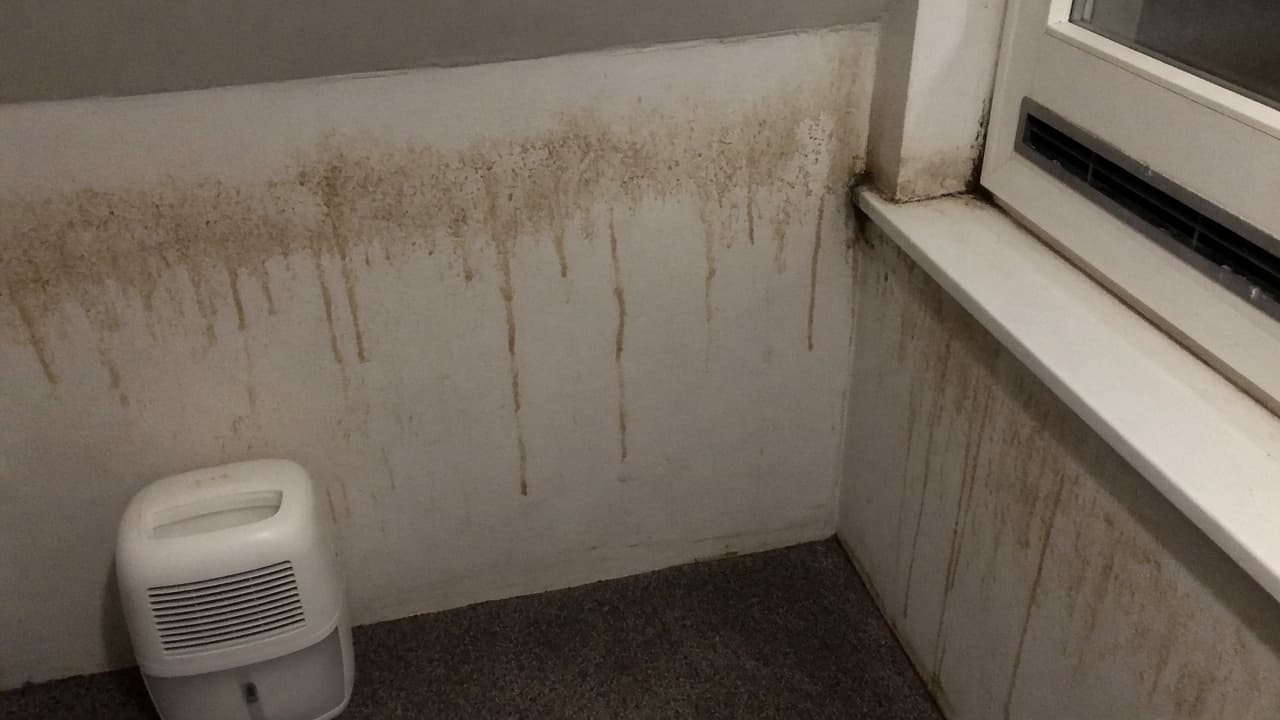
Condensation stains on cold walls look like damp from outside, but the water often comes from indoor air hitting a chilly surface. In UK homes that means external corners, behind wardrobes, north-facing bedrooms, and chimney breasts that never warm up. Paint alone will not stop the cycle. You need less moisture in the air, a warmer wall face, then a proper clean and finish.
If you are unsure whether it is condensation, rising damp, or a leak, start with treat mould on walls safely. Wrong diagnosis wastes money on the wrong “cure”.
Is it condensation or something else?
| Clue | More likely |
|---|---|
| Marks high on walls, in corners, or behind furniture | Condensation |
| Tide line low on ground-floor walls, crumbling skirting | Rising damp (survey, not emulsion) |
| Local patch under a gutter, window, or roof valley | Penetrating damp |
| Appears after showers, cooking, or drying clothes indoors | Condensation moisture load |
| Wall feels cold to the touch vs other walls | Thermal bridge / cold surface |
Condensation stains often show as blotchy browning, black mould spots, or a dusty “map” where vapour has settled. The plaster may feel dry by lunchtime and wet again on a cold night. That daily swing is a giveaway.
Cut the moisture load first
- Vent wet rooms. Use extractors when bathing and cooking; leave them running long enough to clear steam. Keep trickle vents open on windows if you have them.
- Stop indoor drying where you can. A tumble dryer vented outside, or drying in a room with a dehumidifier and the door shut, beats radiators in a sealed bedroom.
- Heat steadily. Short blasts of heat on a freezing wall create more condensation when warm moist air hits the cold plaster. Low steady heat is kinder.
- Leave a gap behind furniture. Pull wardrobes and beds 50–100 mm off external walls so air can move. A sealed cold pocket behind a full-height wardrobe is a classic UK mould factory.
- Watch room humidity. A cheap hygrometer helps. Aim to keep occupied rooms from sitting sticky for days on end (many households target roughly mid-range indoor RH, not tropical bathroom levels all day).
Cleaning and painting before you change habits invites the same stains back within a season.
Warm the cold surface (thermal options)
Painting will not raise surface temperature much. Options that do:
| Option | Notes |
|---|---|
| Better background heat | Radiator balanced; no furniture blocking it |
| Reflective panels behind radiators | Small help on external walls |
| Internal insulation / dry lining | Bigger job; thickness and dew-point matter |
| External insulation | Usually specialist; not a weekend paint job |
| Loft insulation above cold ceilings | Stops cold bridging from above in some layouts |
For whether internal lining is wise on your wall, read hang plasterboard on a solid wall. Insulating badly can move condensation into the build-up instead of curing it.
Solid-wall Victorian rooms and single-skin extensions are regular offenders. If the wall is also genuinely wet from outside, fix gutters and pointing before you talk insulation.
Clean, dry, then decorate
1. Protect yourself
Wear gloves and eye protection. Open a window. Do not dry-brush heavy mould into the air. Soft furnishings next to the wall may need washing separately.
2. Treat mould and stains
Clean with a mould wash or a product the label allows for painted plaster. Wipe, do not scour the plaster to dust. Rinse if the product requires it, then let the wall dry fully.
3. Confirm the wall stays dry
Live with ventilation and heating changes for a stretch of cold weather if you can. If beads of moisture still form on the same cold night, paint will fail. Fix cause first.
4. Prime for stain and mould risk
Use a stain-blocking primer where browning bleeds, and an anti-mould system where the maker specifies it for condensation-prone rooms. Open hairline cracks before you decorate: fill cracks in plaster.
5. Finish coats
Apply emulsion only on a dry, keyed surface. Soft, chalky paint over a still-damp cold wall peels or blooms again. If soft hollow plaster remains after drying, cut back and repair rather than chase perfect colour: repair blown plaster.
Common mistakes
- Bleach-wiping mould then sealing the room with thick emulsion and closed vents.
- Painting a cold external corner the same week you start drying laundry in that bedroom.
- Pushing furniture tight to the wall “to tidy the room” and trapping a cold air pocket.
- Treating rising damp with anti-mould paint and calling it done.
- Buying “thermal” paint as a substitute for insulation on a single-skin wall.
When to call a pro
Call a damp surveyor or experienced builder if tide marks sit at skirting level with salt and crumbling plaster, if patches track a roof or gutter line, or if mould returns aggressively after honest ventilation and cleaning. Call a specialist for internal wall insulation detailing on solid walls. Renters should document conditions for the landlord rather than masking serious damp with DIY paint alone.
Related: fill cracks in plaster, repair blown plaster, hang plasterboard on a solid wall, skim a wall patch.
FAQ
Why do condensation stains come back after painting?
Usually the wall face is still cold, indoor moisture is still high, or both. Paint covers the mark; it does not warm brick or remove steam from showers and drying clothes.
Will anti-mould paint fix cold-wall condensation?
It resists mould growth better than plain emulsion when used correctly, but it does not stop water forming on a cold surface. Pair it with ventilation, heating, and thermal improvement or the stain pattern returns under or through the film.
How can I tell condensation from rising damp?
Condensation likes cold upper corners, window reveals, and furniture shadows. Rising damp is low, often with salts and soft skirtings. Do not buy a chemical DPC kit on guesswork when the pattern points to cold-wall moisture.
Should I wash mould or just paint over it?
Wash and dry first. Painting over live mould traps spores and often fails within months. Clean safely, fix moisture and cold surfaces, then prime and paint.
7 comments