How to Fit an Internal Door
12 August 2026 Joe HartleyIntermediateHalf a day to a day10 comments
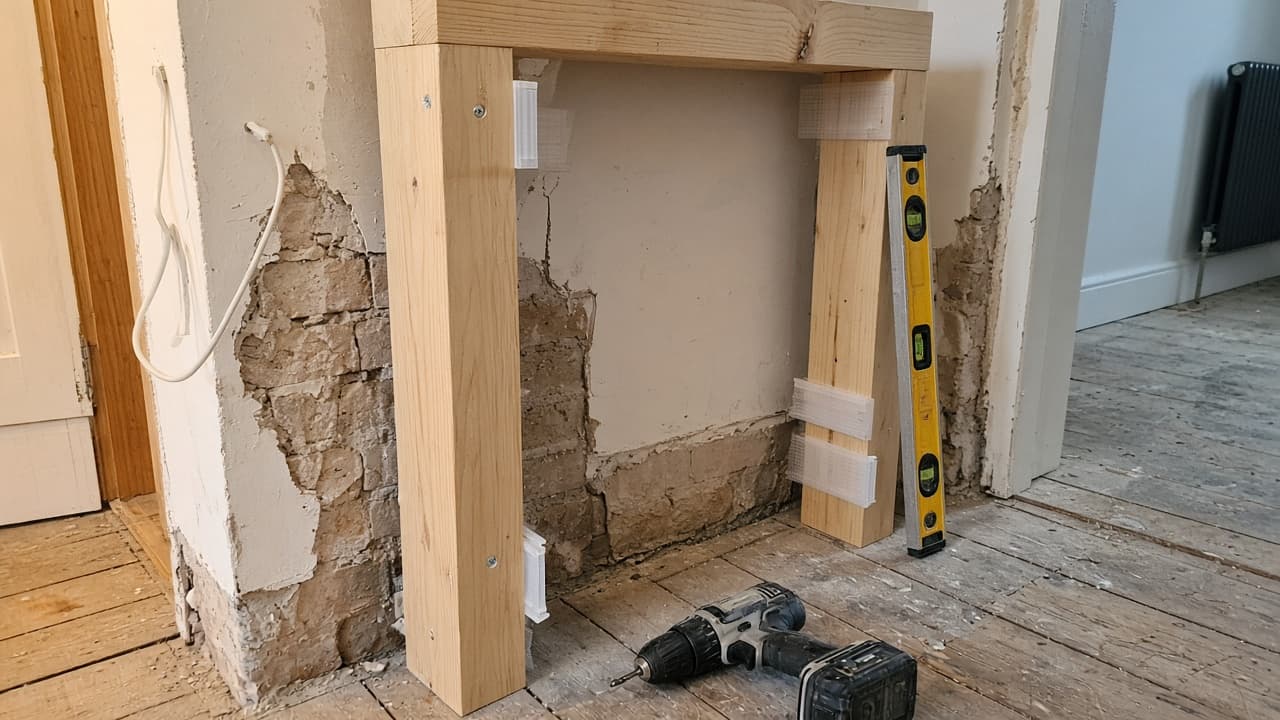
Tools
- Spirit level and tape
- Saw and chisel
- Drill and fixings
- Foam or packers
- Door wedges
Fitting an internal door usually means lining plus leaf, not just screwing hinges. Get the lining plumb and the door will behave for years. Fit a twisted lining and every later adjustment fights the frame.
If the lining is already sound and you only need the leaf, use how to hang an internal door. Swapping a leaf onto old hinges: how to hang a door on existing hinges.
Door kit vs separate lining
| Option | When it suits |
|---|---|
| Prehung doorset | New build or full strip-out; fastest square install |
| Separate lining + door | Replace lining in an existing opening; more cutting |
| Leaf only | Lining stays; hang guide above |
Check the structural opening size against the lining. Pack both jambs evenly. Never rely on one side crushed tight and the other floating.
What you will need
| Item | Notes |
|---|---|
| Lining or doorset | Depth to suit wall thickness (often 100–125 mm stud, more on masonry) |
| Packers | Plastic packers beat random offcuts for repeat gaps |
| Fixings | Frame fixings or screws into studs; plugs in masonry |
| Expanding foam | Optional, low-expansion only around linings |
| Architrave | Mitred after the door swings true |
Step-by-step
1. Prepare the opening
Clear old lining, nails, and loose plaster. Check the head for a lintel or timber noggin. If you are unsure the opening is supported, stop. Offer the lining dry and mark packer positions behind hinge and latch zones.
2. Set the hinge jamb first
Stand the hinge jamb plumb in both planes. Fix through into stud or plugged masonry with packers behind each fixing so the jamb does not bow. A bowed hinge jamb is why doors bind halfway open.
3. Fit head and latch jamb
Cut the head to length. Set the latch jamb plumb and parallel so the opening width matches the door plus clearances. Check diagonals of the lining: equal diagonals mean a rectangle. Adjust packers until diagonals agree within a couple of millimetres.
4. Hang the door
Mark and cut hinge recesses as in how to hang an internal door or follow how to fit door hinges correctly. Hang the leaf, set gaps, fit latch and strike. If the old opening forces a compromise leaf size, see how to hang a new door in an old frame.
5. Foam, trim, architrave
Fill the void around the lining with low-expansion foam or mineral wool as suits the wall type. Do not let foam push the jambs inboard. Fit door stops if separate, then mitre architrave tight to the lining face.
Mistakes that twist a new lining
- Fixing without packers so screws pull the jamb hollow.
- Checking plumb only on the face, not the edge (door will swing open or closed on its own).
- Trimming architrave before the door gaps are final.
- Using high-expansion foam that bows softwood linings.
When to call a joiner
Get help for fire-doorsets with certified gaps and seals, structural opening changes, or heavy oak leaves that need accurate third hinges. Rough budget: cost to hang an internal door DIY vs joiner.
FAQ
What does fitting an internal door include?
Usually the lining as well as the leaf: pack and fix the jambs plumb, hang on correctly recessed hinges, set latch and strike, then finish with stops and architrave. Leaf-only into a sound frame is hanging, not a full fit.
What is the difference between fitting and hanging?
Hanging is leaf onto a frame. Fitting usually includes installing or replacing the lining as well.
Should I foam around a door lining?
Low-expansion foam is fine if packers already hold the jambs true. Foam is not a substitute for packers and fixings.
10 comments